Explore how the MMLT short film Nature’s Path to Wellness connects nature with mental health, healthy aging, childhood wellbeing and human connection. The article covers the film’s February 2026 premiere, its landscapes across three Mississippi Madawaska Land Trust properties, and the post-screening conversation featuring Dr. Owen Wiseman and other nature-health contributors.
Read More
Wiseman emphasized the benefits of nature therapy and said the museum is “a powerful situation” for everybody, including those with limited access to the outdoors.
“Even the power of hearing bird sounds and hearing nature sounds — we know it can drop your cortisol levels, we know it can reduce your stress, so when people walk through the museum and they hear those noises, they are getting those active benefits without having to step onto a dirt floor,” he said.
Read More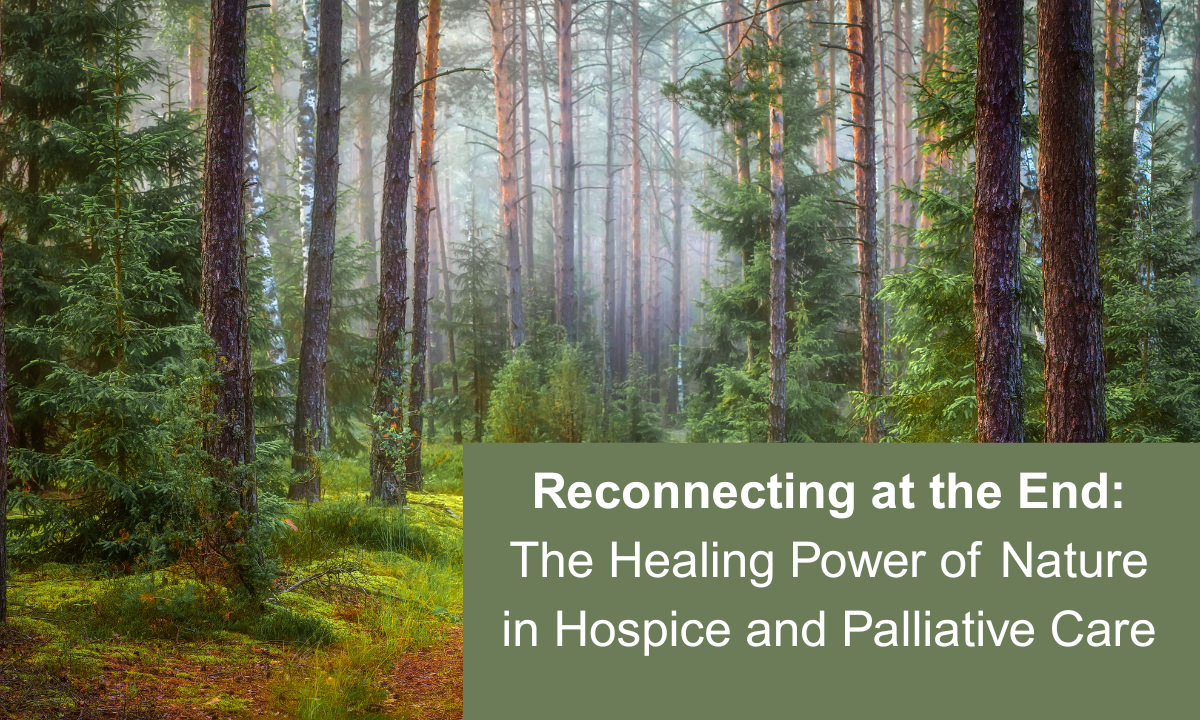
When I think about comfort at the end of life, I picture difficult moments buffered by a sense of softness. Small moments that remind us that we’re part of something bigger. One of the most profound sources of comfort is nature. The feeling of sunlight warming our skin, the sound of birds outside a window, or that first breath of fresh air. In hospice and palliative care, every moment is important, and these connections to the world around us offer something no medicine or machine can.
Read More
This article explores why outdoor play should be treated as a public health, environmental equity, and planning priority. It also considers how emerging nature-exposure technologies can help identify underserved neighbourhoods, measure environmental quality, and guide investments in healthier, safer, and more climate-resilient places for children to play.
Read More
While parks and recreation have traditionally been viewed as community amenities, a growing body of evidence suggests they function as critical public health infrastructure.
Read More
I see the impacts of your decisions in the blood pressure of a single parent walking their kid to school through a treeless neighbourhood, or in the respiratory flares of a senior living in a heat island with no canopy coverage.
Read More
In today’s rapidly digitizing world, our youths’ lives are increasingly dominated by screens. As of the time of writing this article, we are observing a concerning upward trend in nearsightedness (myopia) rates, alongside growing awareness that screen time for children under the age of two can result in atypical sensory processing.
Read More
The intricate interplay between extreme heat events and health vulnerabilities lays the groundwork for the exacerbation and spread of various diseases. One study even showed that 69.3% of COVID-19 cases in the summer of 2022 could have been avoided if there were no heat waves.
Read More
Urban diversity and biodiversity work together in many ways. A city that preserves and prioritizes the protection of its green spaces and natural habitats is more likely to have a diverse local economy and a healthy community.
Read More