Laser Therapy

Non-invasive support.
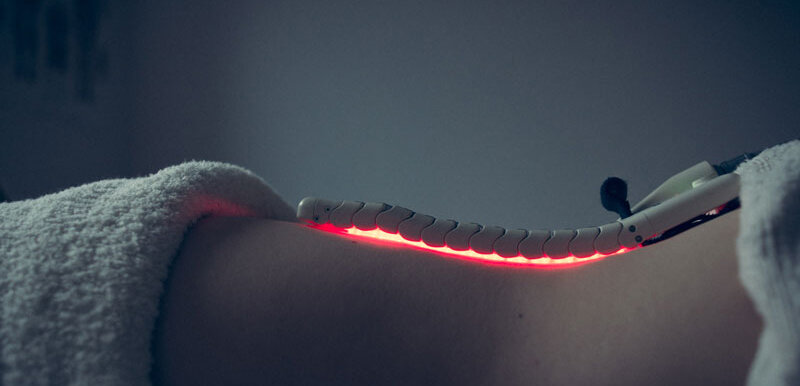
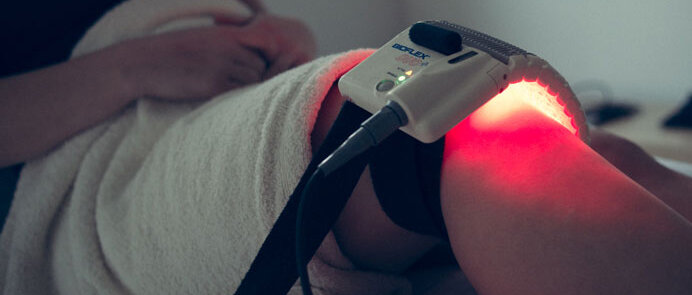
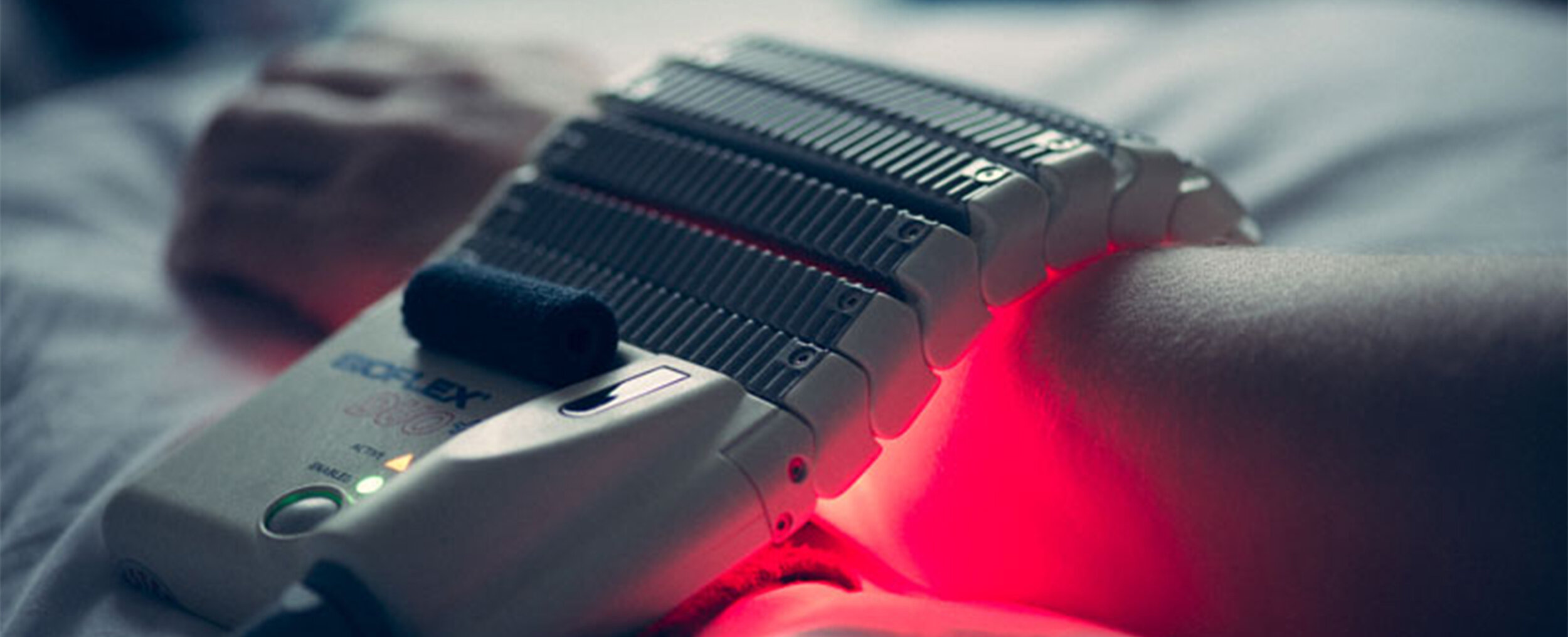
Targeted light, integrated into a broader care plan. The treatment uses carefully selected red and near-infrared light rather than heat or tissue-damaging surgical lasers. Treatment parameters are adapted to the area being treated, the clinical goal and how the patient responds.
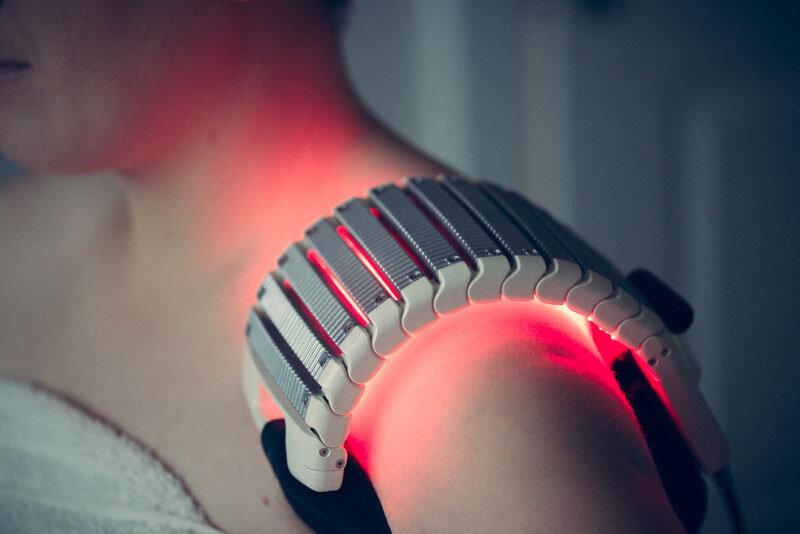
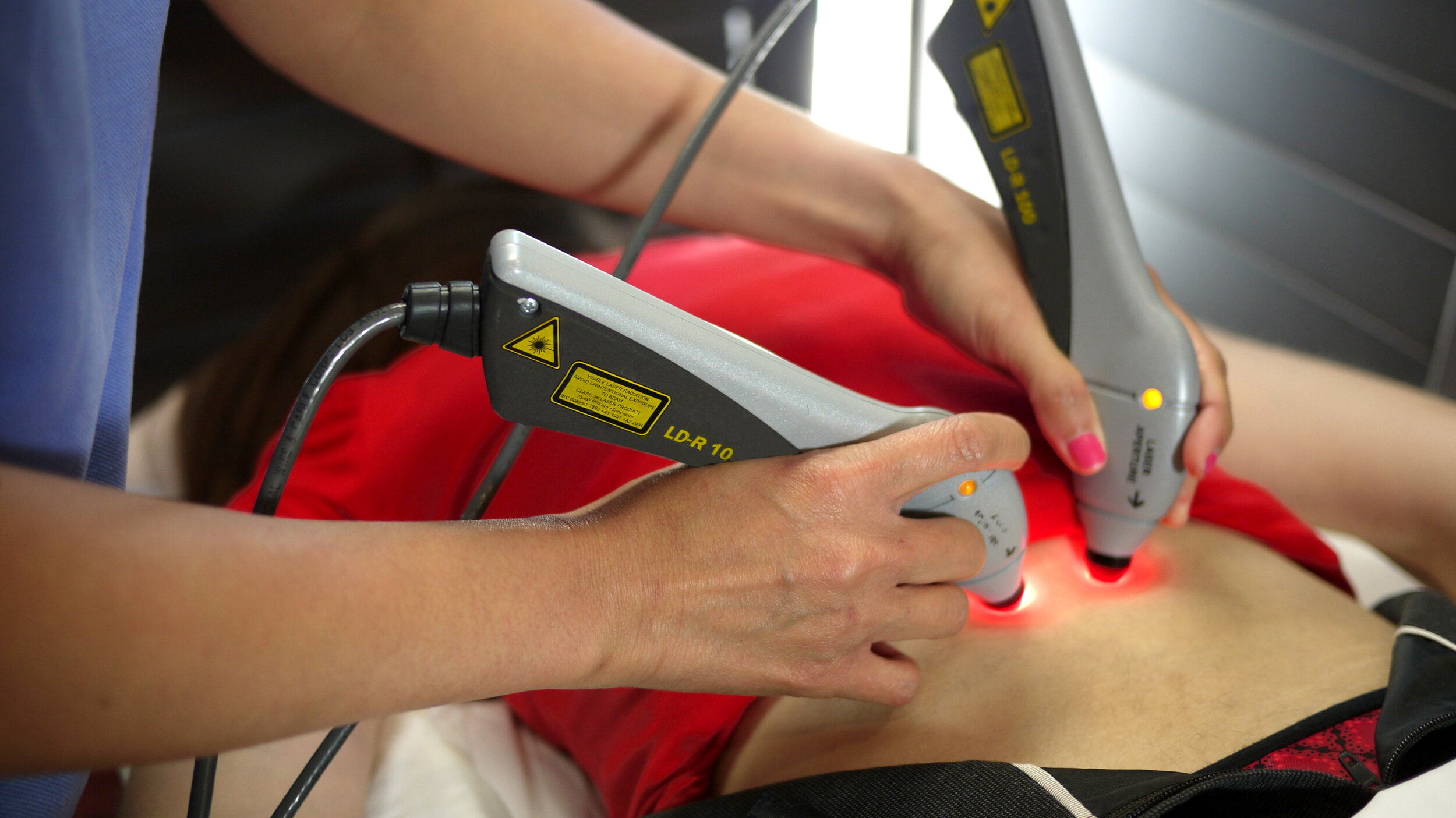
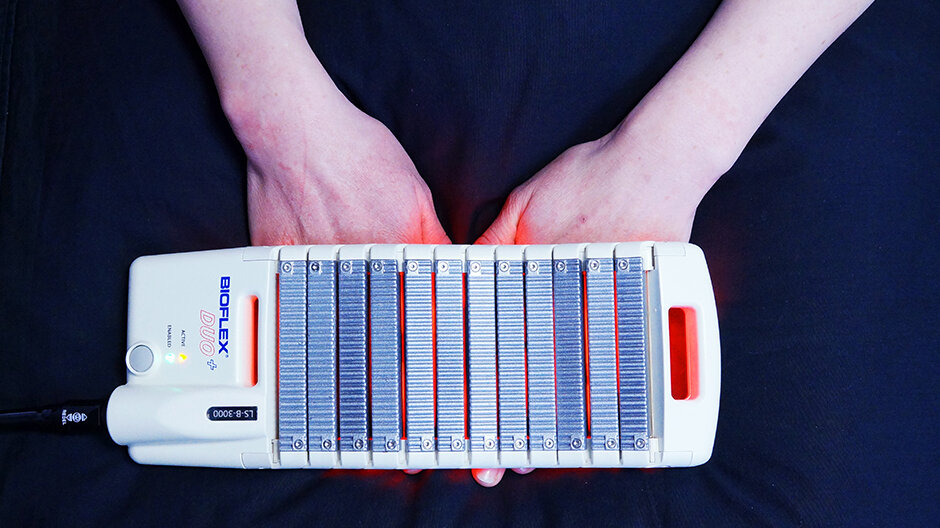
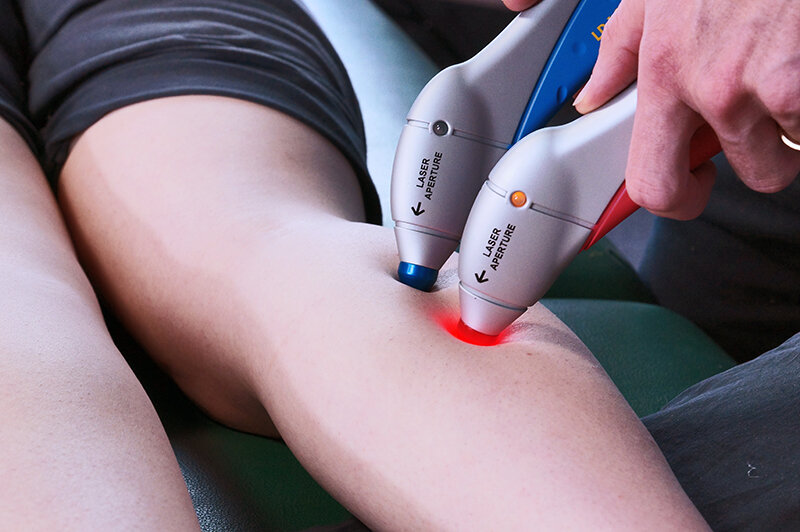

With additional training as a certified laser operator…
We have another way to complement your treatment!
Laser therapy is a technology used in integrative medicine for treating a variety of conditions in a non-invasive, effective, and convenient manner. Using light as the method of treatment, it has been clinically-demonstrated to help improve a wide-range of conditions, including, but not limited to:
Concussion
Acne
Wrinkles
Joint Issues
Low back pain
Rheumatoid arthritis
Osteoarthritis
Depression
Whatever your individual needs are, let’s discuss this option together as part of your overall healing.
What is low-level laser therapy?
It is a non-invasive treatment that delivers measured wavelengths of red or near-infrared light to a targeted area of the body. It is also called:
Photobiomodulation (PBM or PBMT)
Low-level light therapy (LLLT)
Cold laser therapy
Unlike surgical or cosmetic lasers designed to cut, heat or remove tissue, photobiomodulation works without creating a destructive thermal effect.
How does laser therapy work?
Photobiomodulation applies light at a specific wavelength, power, dose and duration. The light is absorbed by molecules within cells and may influence signalling involved in cellular energy, inflammation, pain processing and tissue recovery. The biological response depends heavily on the treatment parameters. More light is not automatically better! That is why clinical laser therapy involves more than placing a general red-light device over the body. The location, wavelength, dose, treatment time and frequency all matter.
What is laser therapy used for?
In clinical practice, laser therapy may be considered as part of care for concerns such as:
Musculoskeletal pain and recovery
This may include selected cases of:
Low-back or neck pain
Osteoarthritis and joint pain
Shoulder and rotator-cuff concerns
Tendon or soft-tissue injuries
Muscle tension or strain
Recovery following physical activity or injury
Research suggests that photobiomodulation may improve pain or function for some musculoskeletal conditions, particularly when an appropriate dose is used and treatment is combined with rehabilitation or exercise. Results are not consistent across every condition or protocol. [1,2]
Nerve-related and persistent pain
Laser therapy may also be explored as a non-pharmacological adjunct for selected forms of neuropathic or persistent pain. A 2026 systematic review of randomized trials found potential benefits for chronic pain, with more consistent findings in fibromyalgia and peripheral neuropathies. [3]
Cognition, Concussion and Traumatic Brain Injury
Transcranial photobiomodulation is an emerging application of red and near-infrared light being studied for persistent cognitive and post-concussion symptoms. Proposed effects include supporting cellular energy production, cerebral blood flow and signalling involved in neuroinflammation and recovery.
A 2024 systematic review found reported improvements in attention, processing speed, executive function, verbal learning and memory among people with chronic traumatic brain injury. However, the review included only six small case reports and case series, with substantial differences in devices and treatment protocols. The authors concluded that the findings were encouraging but that randomized controlled trials were still needed. [4]
More recently, a 2025 sham-controlled study in people with mild traumatic brain injury found improvements in visual working memory, verbal learning, sleep quality and physical post-concussion symptoms following transcranial photobiomodulation, while the sham group did not show the same changes. These early findings support further research, but the treatment remains investigational and should be considered an adjunct to appropriate medical assessment and concussion rehabilitation. Not a replacement for them. [5]
How many treatments will I need?
The number and frequency of sessions depend on:
The condition being treated
How long it has been present
The depth and size of the area
The treatment protocol
Your response over the first several sessions
Whether rehabilitation or other care is also required
Some acute concerns may require a shorter course, while persistent or longstanding conditions may require repeated treatment and reassessment. Progress should be monitored rather than continuing indefinitely. When a reasonable trial does not produce a meaningful response, the plan should be reconsidered.
References
Oliveira, Sofia, et al. "Effectiveness of photobiomodulation in reducing pain and disability in patients with knee osteoarthritis: a systematic review with meta-analysis." Physical Therapy 104.8 (2024): pzae073.
Ahmad, Mohd Azzuan, Mohamad Shariff A. Hamid, and Ashril Yusof. "Effects of low-level and high-intensity laser therapy as adjunctive to rehabilitation exercise on pain, stiffness and function in knee osteoarthritis: a systematic review and meta-analysis." Physiotherapy 114 (2022): 85-95.
Ferreira, Luciano Maia Alves, et al. "Photobiomodulation in chronic pain: a systematic review of randomized clinical trials." Frontiers in Integrative Neuroscience 20 (2026): 1717372.
Zeng, Jia, et al. "Can transcranial photobiomodulation improve cognitive function in TBI patients? A systematic review." Frontiers in Psychology 15 (2024): 1378570.
Lee, Tsz-Lok, et al. "Transcranial photobiomodulation improves cognitive function, post-concussion, and PTSD symptoms in mild traumatic brain injury." Journal of Neurotrauma 42.19-20 (2025): 1695-1707.