
Clinical Nature Prescriptions
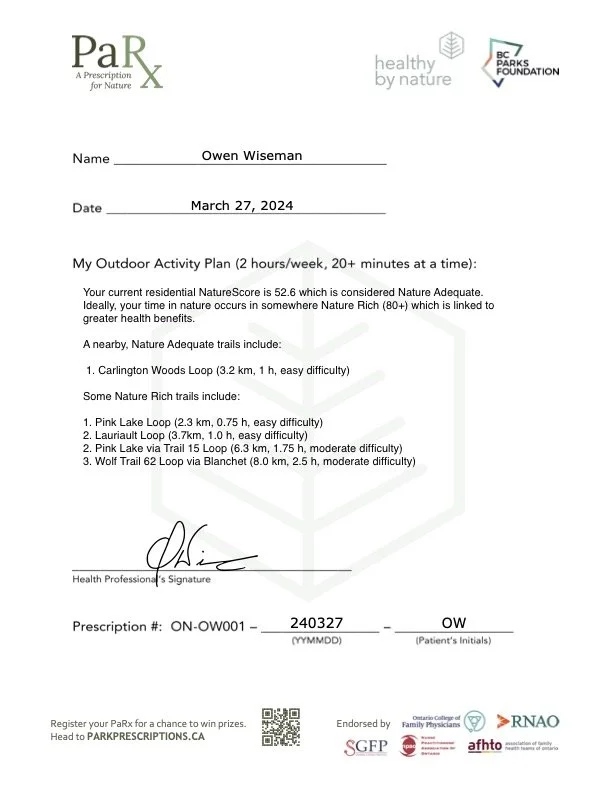
A PaRx prescription with a personalized outdoor activity plan, including a weekly target, local trail options and information about the quality of nature around the patient’s home and destination
Nature can be more than a backdrop to good health. When used intentionally, time outdoors can become a practical part of a personalized care plan.
As a registered healthcare provider with PaRx, Canada’s national nature prescription program, I can provide patients with a written nature prescription that translates the growing research on nature and health into realistic, measurable action. A prescription may include a weekly nature-exposure goal, suggested outdoor activities and nearby places that fit the patient’s mobility, interests, schedule and health needs.
What might be included in your prescription?
A personalized plan may include:
A weekly nature-exposure target
The research commonly encourages people to work toward at least two hours in nature each week, ideally in sessions of 20 minutes or longer. This can be adapted according to a patient’s unique needs.
Suitable outdoor activities
Nature exposure does not have to involve strenuous exercise. Options may include:
Walking
Hiking
Sitting outdoors
Gardening
Birdwatching
Photography
Paddling
Outdoor yoga
Meeting someone in a park
Eating lunch outside
Quiet sensory observation
Recommended settings
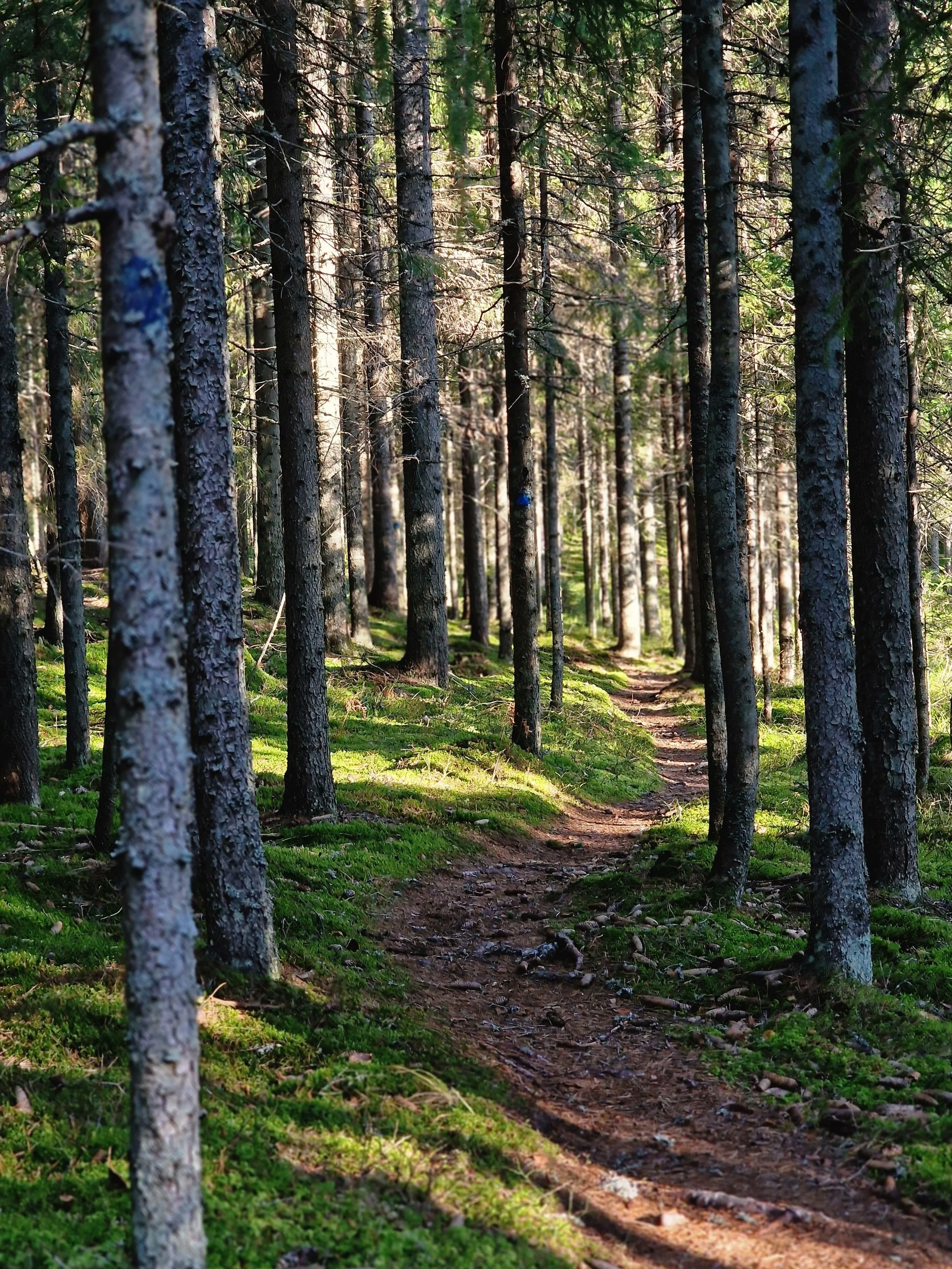
Where practical, I may help identify nearby parks, wooded areas, trails or waterfront settings that match the person’s needs. Factors may include:
Distance from home or work
Accessibility
Trail difficulty
Shade
Seating
Noise
Transportation
Personal safety
Seasonal conditions
NatureScore and local environmental quality
A personalized plan will also consider NatureScore®, a measure used to estimate the amount and quality of natural elements surrounding a location. This can help distinguish between simply being outdoors and spending time in a setting with richer natural features. When possible, the goal is to make nature exposure both convenient and meaningful rather than adding another difficult task to someone’s week.
Nature prescriptions are meant to be accessible
You do not need to be an athlete, hiker or experienced outdoor person to benefit from intentional time in nature.
A useful prescription should account for:
Mobility limitations
Chronic pain or fatigue
Caregiving responsibilities
Limited free time
Transportation barriers
Unequal access to high-quality green space
Extreme heat, smoke, cold or poor weather
Fear of wildlife, isolation or unfamiliar environments
Sensory or neurodivergent needs
In some cases, the first step may be very small: sitting near an open window, spending ten minutes beneath a tree, moving a routine phone call outdoors or visiting the same familiar park each week.
Frequently Asked Questions
Do I need to be an existing patient to receive a nature prescription?
A clinical nature prescription should be based on an appropriate assessment of your health, goals and circumstances. It may be provided as part of an initial or follow-up naturopathic appointment when clinically suitable.
Is a nature prescription only for mental health?
No. Nature exposure may be incorporated into plans involving stress, sleep, physical activity, healthy aging, metabolic health, cardiovascular risk and general preventive care. Its role will differ from person to person.
Does walking outside count?
Yes. Walking in a park, wooded trail, waterfront area or tree-lined neighbourhood can all contribute to a nature-exposure plan. The setting, accessibility and consistency matter more than choosing one “perfect” activity.
What happens during winter?
Nature prescriptions can be adapted throughout the year. Winter options may include shorter walks, birdwatching, outdoor social activities, visits to conservatories or sheltered natural settings, and brief exposure during daylight hours when conditions are safe.
Is this a replacement for medication or counselling?
No. A nature prescription is a complementary health strategy. It does not replace medication, psychotherapy, emergency care, medical investigation or other necessary treatment.