
Nature as Public-Health Infrastructure
We readily understand why a community needs hospitals, clinics, schools, sewers, roads and public transit, but sick cities make sick people.
We are less accustomed to thinking of a shaded sidewalk, neighbourhood park or urban forest in the same way. Yet these places influence whether people can safely move, cool down, connect with others, recover from stress and experience nature in daily life.
Hospitals respond when health has already deteriorated. Healthy environments can help shape what happens before someone reaches the hospital door.
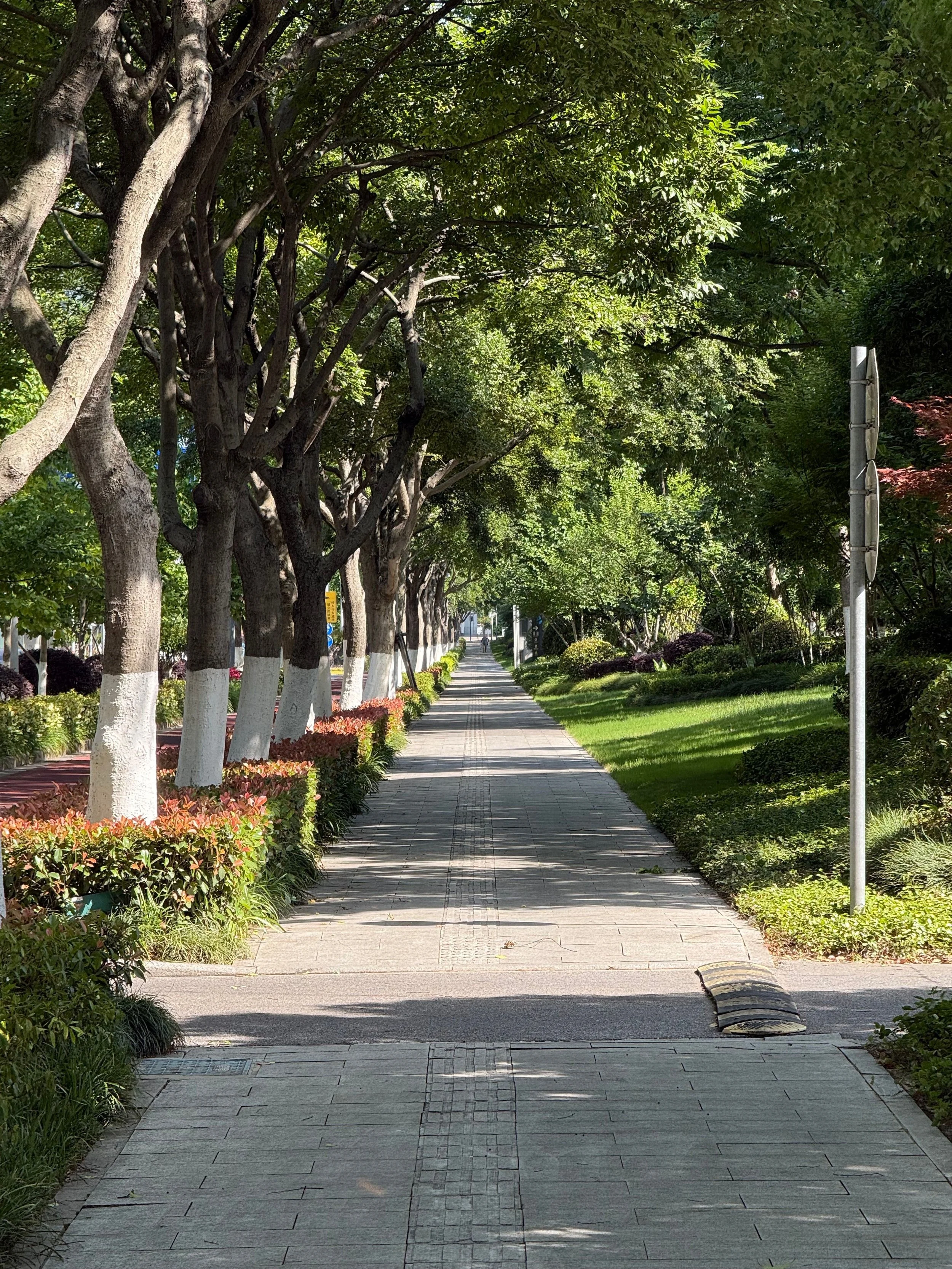
A connected tree canopy can make everyday walking routes cooler.
Street Trees and shaded sidewalks
A mature tree canopy can provide shade and subsequently reduce heat exposure to make walking more comfortable during warmer months. Tree-lined streets also create more inviting routes between the day-to-day destinations many of us move through each day.
This matters because the benefits of a park are limited when the journey to reach it is exposed to the hot mid-day sun. A connected canopy can turn the entire route into part of a community’s preventive-health infrastructure.
Bioswales and rain gardens
These are planted channels designed to collect, slow and filter stormwater before it overwhelms drainage systems or carries pollutants into waterways.
When integrated into streets, parking areas and public spaces, they can reduce flooding while adding vegetation, biodiversity and visual relief to highly paved environments. Their design may also help separate pedestrians from traffic and create more attractive walking and cycling routes.
A single landscape feature can therefore perform several public functions at once: water management, climate adaptation, habitat creation and neighbourhood beautification.
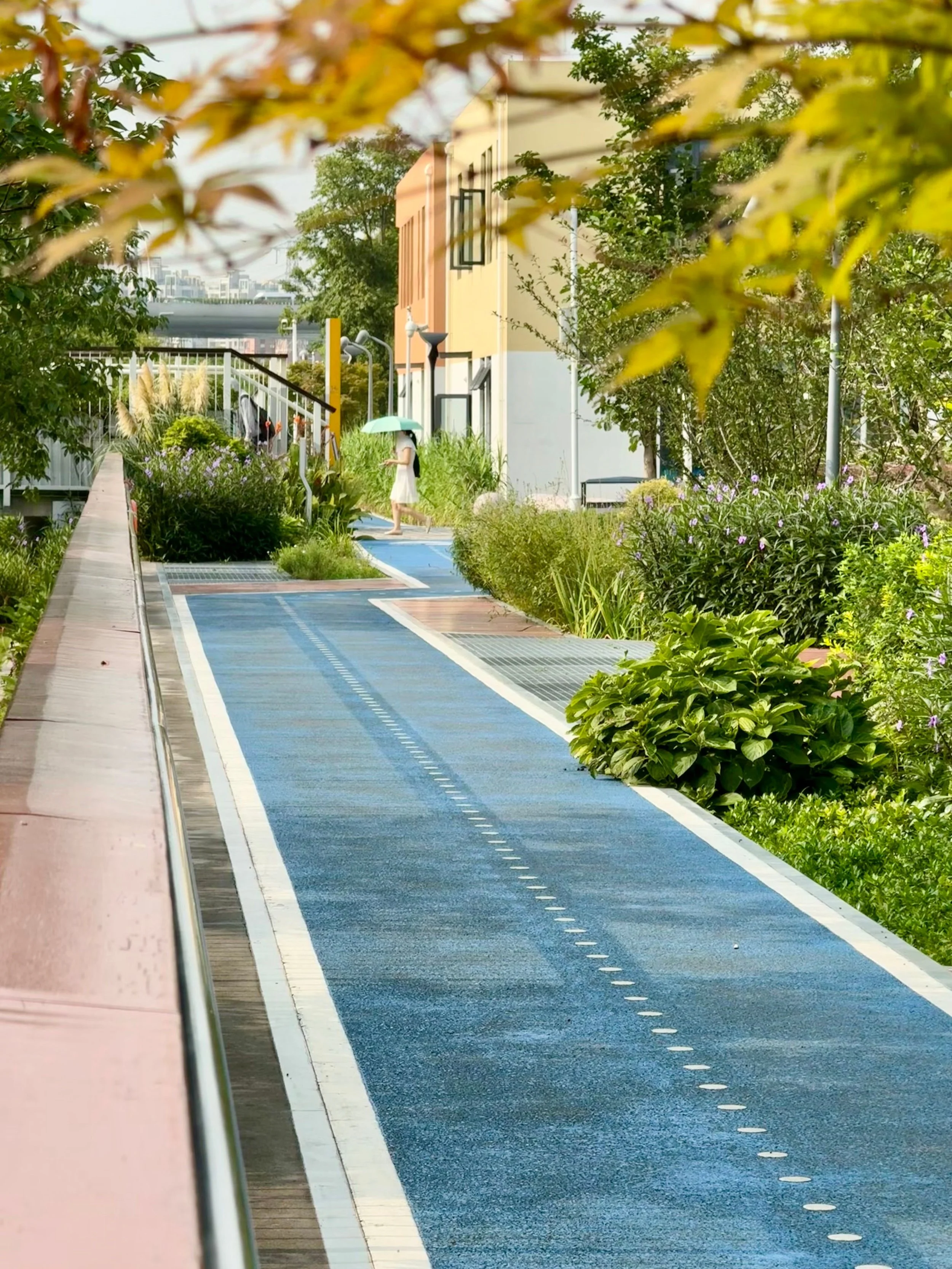
Bioswales can manage stormwater while adding vegetation and separation between transportation routes and surrounding buildings.
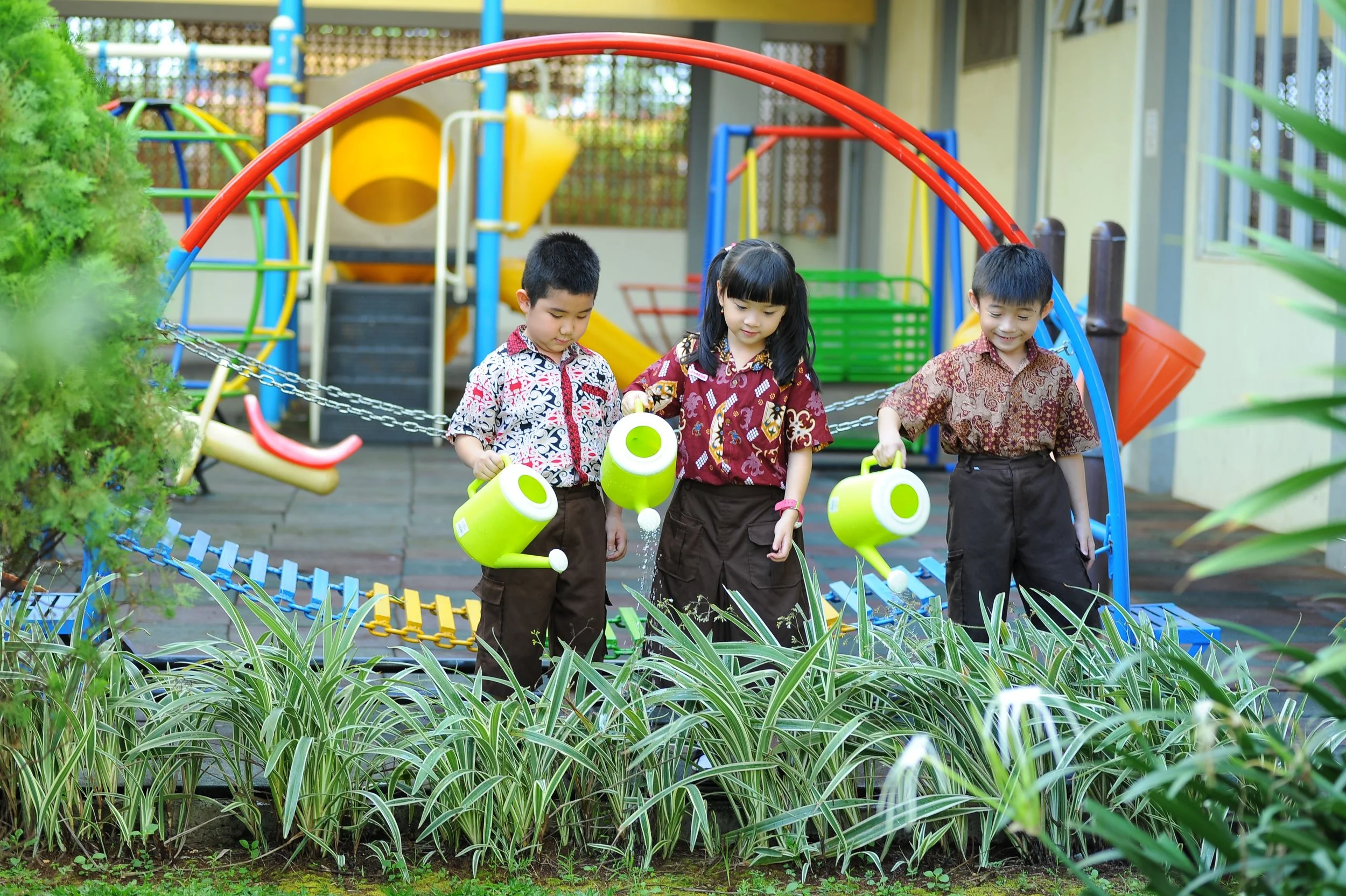
Green schoolyards bring nature into children’s daily routines rather than making access dependent on family income or transportation.
Green Schoolyards
School grounds are some of the most frequently used public spaces in a child’s life.
Replacing large areas of asphalt with trees, gardens, natural play features and shaded gathering spaces can create more opportunities for outdoor learning, movement and social interaction. Green schoolyards may also reduce surface heat and provide community green space outside school hours. There is a large movement towards re-greening or re-wilding or children’s schoolyards.
For kids who do not have access to a nearby natural area, school may be one of their most consistent opportunities to experience nature.
Transit spots and cooling space
Waiting for public transit can become dangerous and uncomfortable during periods of extreme heat.
Shade trees, planted shelters, drinking water, seating and reflective materials can help transform transit stops into safer public spaces. This is particularly important for older adults, children, people with disabilities and residents who do not have access to a private vehicle.
Nature-based infrastructure should be located where people actually spend time. A shaded bus stop may provide a small intervention, but it can make a meaningful difference during a hot commute.
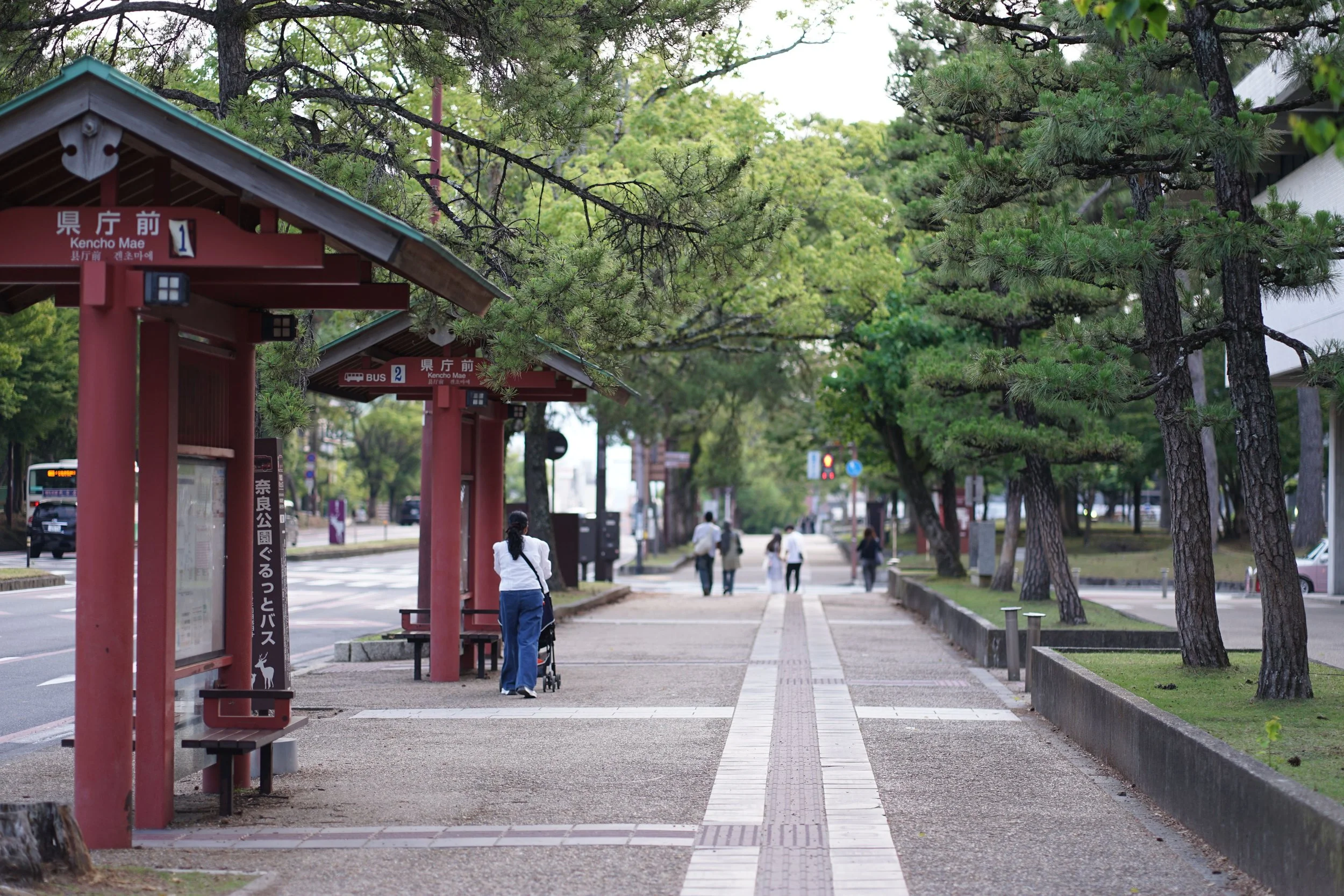
Cooling infrastructure should be placed where people wait and travel during everyday life.
Hospital Gardens and Healing Spaces
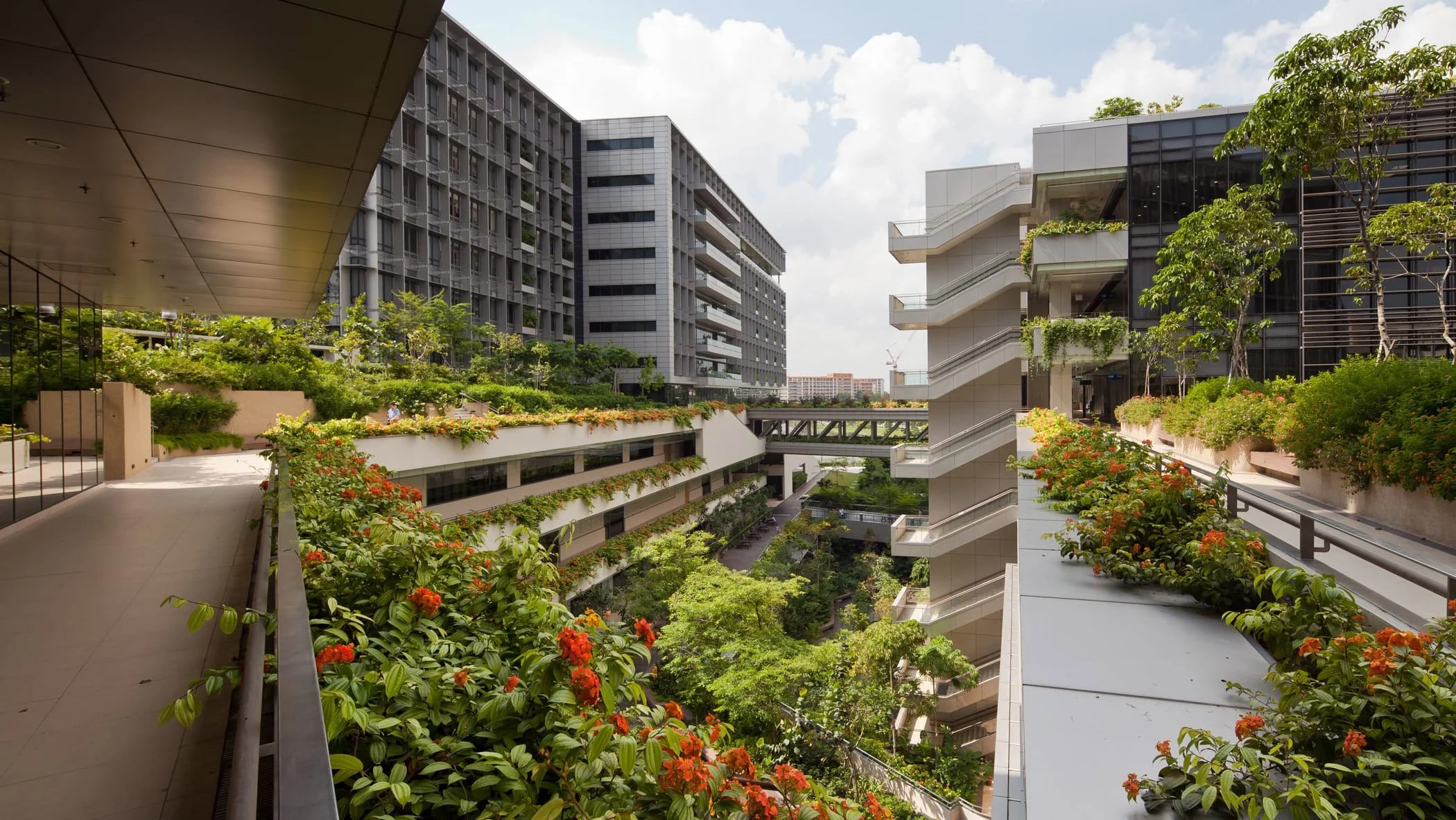
Khoo Teck Puat Hospital (KTPH) in Singapore features an innovative "hospital in a garden" concept integrating over 700 native plant species, eight themed roof gardens, and a central courtyard linked to Yishun Pond
Healthcare facilities are designed to treat illness, but their surrounding environments can also support the experience of care. Hospital gardens, landscaped courtyards, visible trees and accessible walking paths can provide patients, families and healthcare workers with places for quiet relief from clinical surroundings. Evidence shows that biophilic spaces like these also shorten hospital stays, reduce medication costs, improve patient and staff experience, and even improve retention.
These spaces recognize that all may benefit from access to daylight, fresh air and restorative natural settings during difficult periods.
What makes these spaces public-health infrastructure?
Nature becomes public-health infrastructure when it is intentionally designed and maintained to support measurable community needs. That means asking:
Is the space located where health and environmental burdens are greatest?
Can people reach it without owning a vehicle?
Is it accessible across ages and abilities?
Does it provide shade, seating and protection from extreme weather?
Do residents feel safe and welcome?
Is long-term maintenance funded?
Were local communities involved in its design?
Can its health, climate and social outcomes be evaluated?
A tree planted without enough soil or water will likely never provide meaningful shade. A park separated from residents by a dangerous road may exist on a map while remaining inaccessible in practice. A garden created without community involvement may fail to serve the people living around it. Infrastructure is defined by whether it continues to function after it’s built.