
Extreme Heat Is a Health Emergency
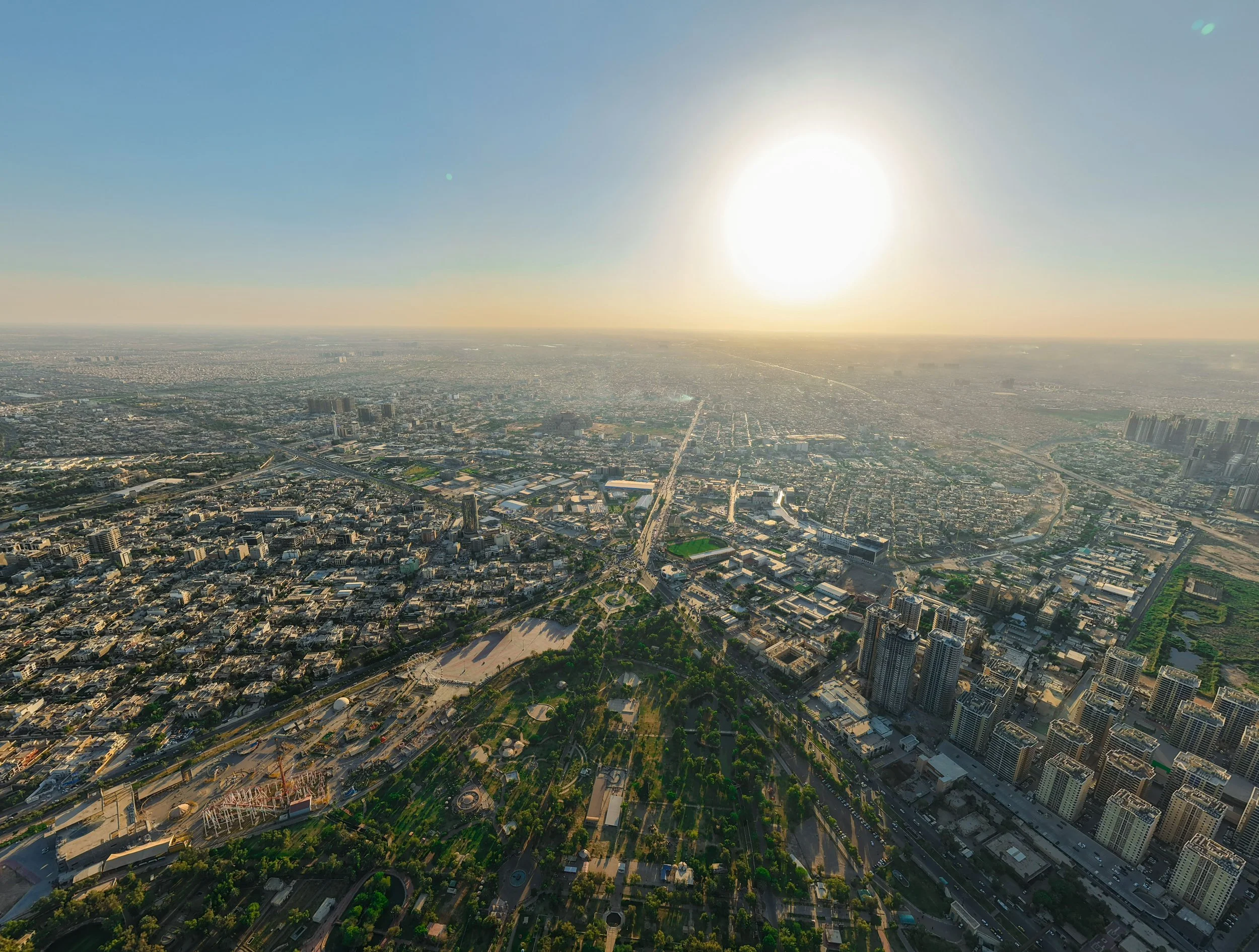
As climate change increases the frequency and intensity of extreme heat events, urban forests and parks represent critical climate resilience infrastructure that protects both environmental and human health.
619 lives lost in one heat event
During British Columbia’s 2021 heat dome, 619 people died from heat-related causes within approximately one week. More than 800 deaths were investigated during that period, creating sudden and extraordinary pressure on emergency and public services. Behind that number were people whose homes became dangerously hot, often without adequate cooling. The event demonstrated that extreme heat is already capable of producing a major mass-casualty event in Canada.
Canada’s heat burden is increasing
Health Canada found that two-thirds of all heat-related deaths recorded nationally between 1981 and 2022 occurred during the final seven years of that period. Years with major heat events also produced noticeable increases in emergency visits, hospitalizations and deaths. Official counts likely underestimate the full burden because heat may worsen cardiovascular, respiratory or kidney disease without being recorded as the primary cause of illness or death.
What Extreme Heat Does to the Human Body
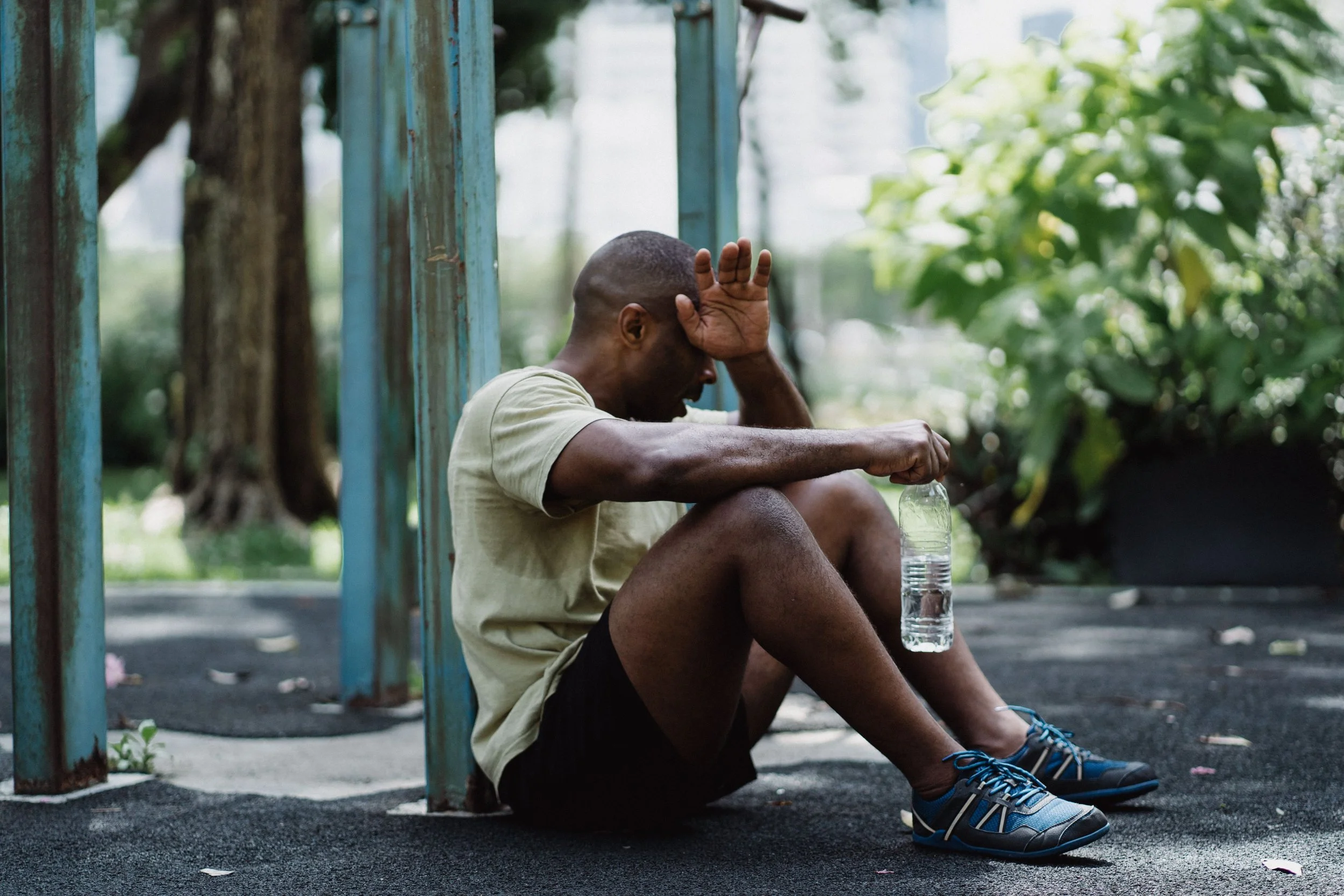
As climate change increases the frequency and severity of extreme heat events, exposure to high temperatures can impair physical performance and increase the risk of dehydration and heat-related illness.
The body can lose its ability to cool itself
The body releases heat through contact with cooler air and through the evaporation of sweat. During high heat, particularly when humidity is also elevated, these systems no longer keep pace with what’s being absorbed or produced. The effects can progress from heat rash, swelling, cramping and fainting to heat exhaustion and life-threatening heat stroke. It can also worsen underlying illness and contribute to cardiac arrest or acute kidney injury.
The harm appears before mortality statistics
Between 2005 and 2023, Canadian health data recorded 3,753 hospitalizations involving heat-related illness. Between 2004 and 2023, available provincial and territorial data recorded 38,398 heat-related emergency-department visits.
Hospitalization rates during the 2021 western heat event were nearly five times the average recorded across the reporting period
Heat Risk Is Not Shared Equally
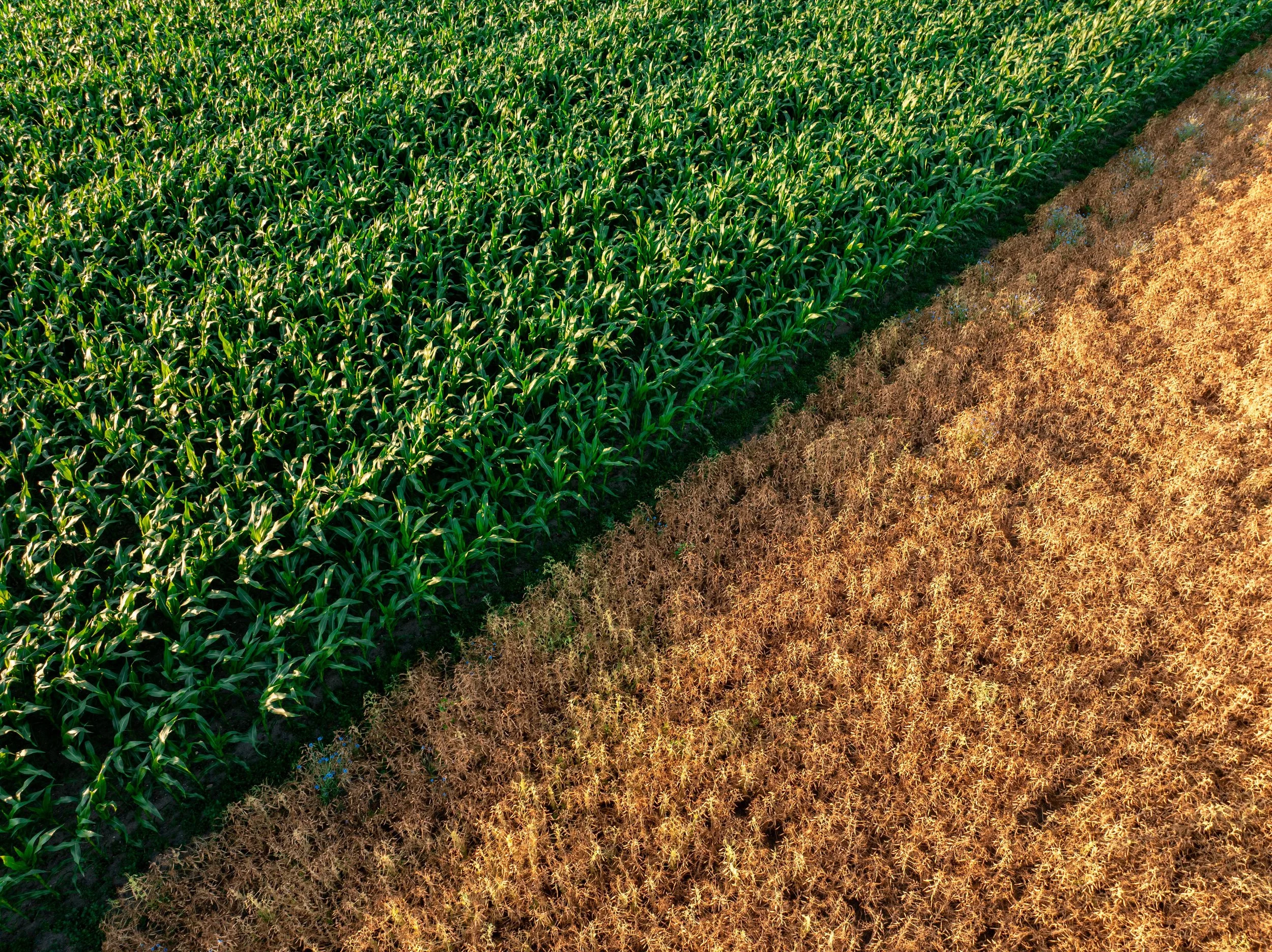
An aerial photograph shows a striking contrast between two neighboring crop fields. One field remains vibrant green and healthy, while the adjacent field has turned brown and appears severely stressed or dead. The sharp boundary between the two fields highlights how differences in water availability, heat exposure, management practices, or climate conditions can dramatically affect agricultural productivity, much like the divide between human health.
Age and health influence vulnerability
Extreme heat can affect anyone, but the risks are greater for older adults, infants and young children, people with chronic medical conditions, outdoor workers, people exercising in the heat, people with low incomes and people experiencing homelessness. During British Columbia’s 2021 heat event, 67% of those who died were at least 70 years old, while 90% were over 60. People registered with several chronic conditions were overrepresented among the deaths
The greatest danger may be inside the home
The greatest danger may be inside the home. Many fatal heat injuries occur indoors where people live alone, and most are in homes without adequate cooling systems. Buildings can absorb heat during the day and remain hot throughout the night, particularly on upper floors or where ventilation and shading are inadequate. Without cooler overnight conditions, the body receives little opportunity to recover.
Nature as Cooling Infrastructure
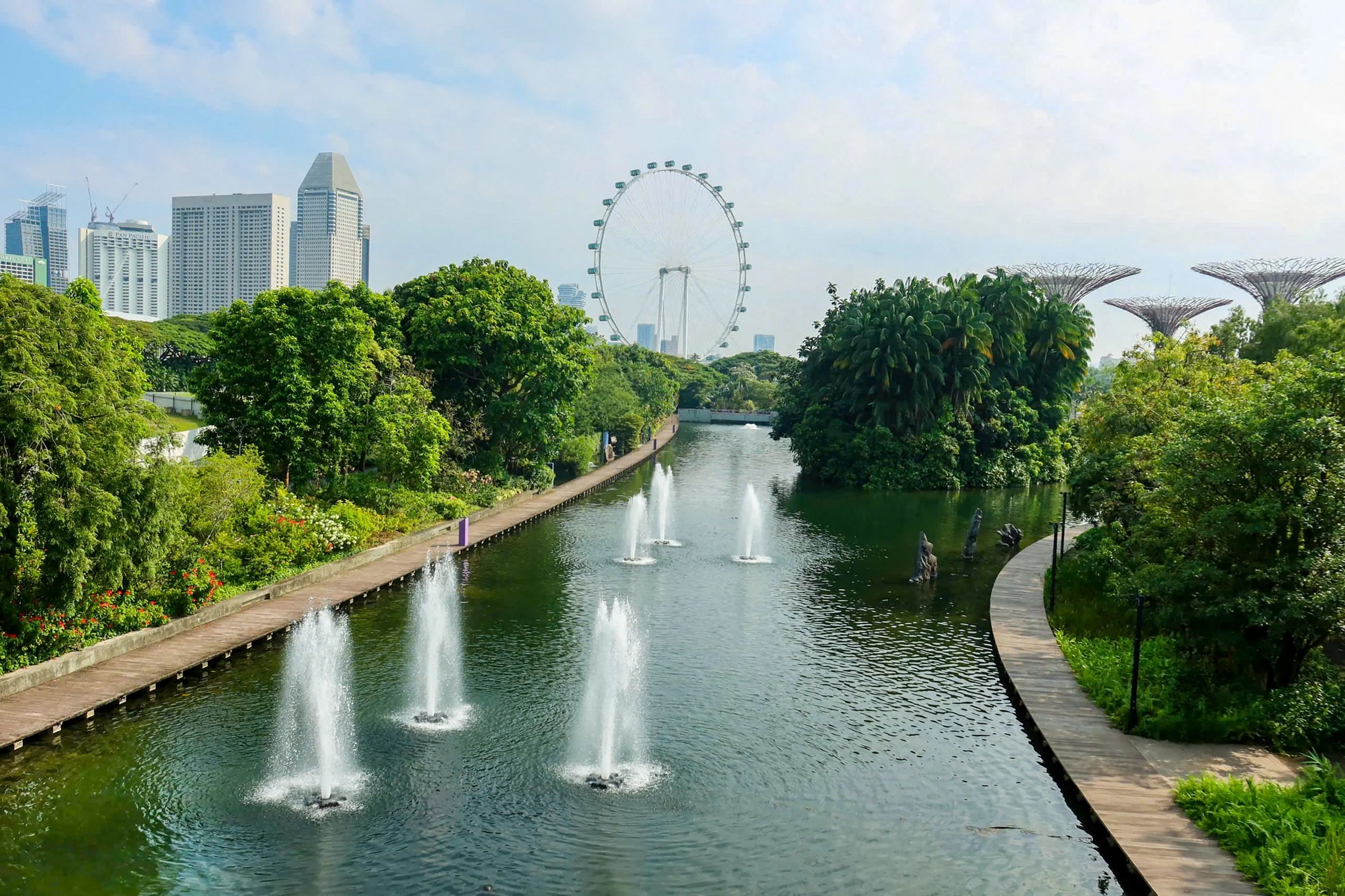
A lush urban park in Singapore integrates dense tropical tree canopy, open water, and pedestrian pathways within the heart of the city. Multiple fountains cool the central waterway while mature trees provide extensive shade, creating a noticeably greener and cooler environment than the surrounding urban landscape. The Singapore Flyer and downtown skyline rise above the park, illustrating how dense cities can successfully integrate nature into their climate adaptation strategies
Trees cool through shade and evapotranspiration
Trees intercept solar radiation before it reaches people, pavement, vehicles and buildings. Vegetation can also cool the surrounding environment through evapotranspiration—the movement and evaporation of water from soil and plants.
The health value of urban canopy therefore depends on more than the number of trees planted. Species, maturity, canopy size, soil, water, location and long-term survival all influence whether a tree eventually provides meaningful cooling.
A modelled 2,644 deaths prevented
A health-impact assessment of 93 European cities estimated that urban heat islands increased average summer city temperatures by 1.5°C and were associated with approximately 6,700 premature deaths during the study period.
The researchers estimated that increasing tree canopy to 30% could cool the cities by an average of 0.4°C and potentially prevent 2,644 premature deaths.
We Can Design for a Cooler Future
Heat does not become dangerous only when a temperature record is broken.
Risk accumulates when neighbourhoods lack shade, homes trap heat, nights remain warm, people live alone and cooling is unaffordable or inaccessible. Climate resilience begins by recognizing these conditions before the next emergency arrives.